Mindful gambling serves as the cornerstone of a safe and satisfying entertainment experience, and contemporary platforms like turpiniet lasīt put a significant emphasis on providing individuals complete control over their habits. Player protection tools are never signs of weakness or failure. They are useful instruments that any thoughtful person can use to keep gaming in line with their personal values and financial boundaries. Across Latvia, where licensed online environments go on mature, these features have become more intuitive and accessible than ever before. The goal is not to remove the thrill of the game, but to ensure that every session remains a conscious choice rather than an automatic reaction. Understanding how to use deposit caps, time alerts, cooling-off periods and self-exclusion mechanisms can turn a casual pastime into a truly balanced activity. The following sections explore proven strategies for making the most of these safeguards, drawing on behavioral insights and the concrete resources available to players in Latvia. Each tip is intended to help individuals create a routine where entertainment and self-awareness coexist without tension.
Understanding Deposit Limits as a Primary Line of Defense
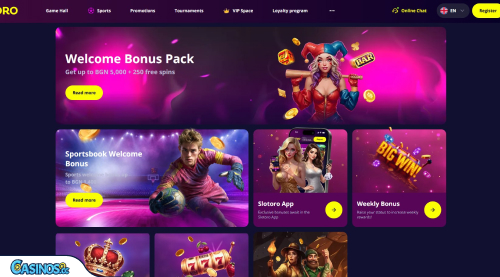
Deposit limits act as the most direct and widely used player protection tool, permitting individuals to cap the amount of money they can transfer into their account over a defined period. Configuring a daily, weekly or monthly deposit ceiling creates a pause before any transaction exceeds the pre-set boundary. This simple mechanism works because it interrupts impulsive decisions that often occur in the heat of the moment. When a player in Latvia configures a deposit limit on a platform such as Slotoro Casino, the system automatically blocks any attempt to go beyond the chosen amount, erasing the need for constant willpower. The psychological benefit is substantial. Instead of counting on mental calculations and self-restraint during an exciting session, the individual delegates the boundary to the platform, which then acts as a neutral enforcer. Many players realize that setting a limit slightly below their actual disposable budget creates a comfortable buffer, securing that even an unplanned urge to deposit more is blocked before it turns into regret. The key to making deposit limits effective is to treat them as a fixed rule rather than a flexible suggestion. It is advisable to set the limit at the very beginning of the month or immediately after registration, when the mind is clear and not influenced by the adrenaline of a winning streak or the frustration of a loss. In Latvia, where online gaming is regulated and operators are required to offer such features, players can also choose different limits for different time frames, stacking protection in a way that matches their personal rhythm. For instance, a tighter daily cap combined with a broader monthly ceiling can prevent a single bad evening from derailing an entire month’s entertainment budget. The true power of deposit limits lies in their proactive nature. They are not about restricting fun but about preserving the freedom to enjoy games without financial stress.
Employing Reality Checks to Stay Aware
Reality checks are regular pop-up notifications that pop up during gameplay to tell the player how long they have been active, the amount they have wagered and their current net result. Unlike session limits, which enforce a hard stop, reality checks operate as soft interruptions that promote a moment of reflection without abruptly ending the session. This makes them specifically useful for individuals who desire to maintain awareness but are not yet ready to dedicate to strict time or loss caps. In the Latvian online gaming environment, reality checks are often adjustable, allowing players to select the frequency of the reminders, such as every thirty, sixty or ninety minutes. The effectiveness of this tool rests in its ability to disrupt the state of flow that can cause hours feel like minutes. When a reality check appears, the player is momentarily brought out of the immersive experience and given objective data about their activity. This brief pause is often adequate to prompt a rational assessment: Is this still enjoyable? Has the budget been exceeded? Would now be a good moment to take a break? The calm, factual tone of the notification is important. It does not criticize or scold; it simply shows the numbers. Many players in Latvia find that setting a reality check every forty-five minutes achieves the right balance between uninterrupted enjoyment and necessary self-monitoring. Some even utilize the pop-up as a cue to stand up, stretch or grab a glass of water, turning a digital reminder into a healthy physical habit. Reality checks also act as an early warning system. If a player consistently notices that their losses are mounting or that sessions are stretching far beyond what they intended, the accumulated data can motivate them to activate stronger tools such as deposit limits or cooling-off periods. The key is to treat the reality check not as an annoyance to be clicked away but as a trusted advisor that holds the player’s long-term well-being in mind. When used consistently, this simple feature changes gaming from a passive consumption of time into an active, self-aware choice.
Establishing Loss Limits to Regulate Spending
While deposit limits control the inflow of money, loss limits concentrate directly on the outflow, capping the amount a player can lose within a specific period. This tool is especially useful because it addresses the common cognitive bias known as loss chasing, where an individual attempts to recover previous losses by placing larger or riskier bets. By setting a clear ceiling on net losses, the player forms a hard stop that stops a temporary downturn from growing into a significant financial problem. On platforms offered to Latvian users, loss limits can typically be changed to daily, weekly or monthly intervals, and once reached, the account automatically limits further play until the next period starts. The calm objectivity of an automated limit erases the emotional decision-making that often contributes to overspending. A person who has just gone through a series of losses may experience a strong urge to continue, certain that a turnaround is imminent. The loss limit functions as a rational guardian, enforcing the boundary that the player themselves configured during a moment of clarity. To make this tool truly efficient, it is advised that players re-evaluate their loss limits after any major life change, such as a salary change or an unexpected expense, making sure the cap still mirrors their current financial reality. In Latvia, where household budgets can be constrained and financial well-being is a priority for many, loss limits provide a way to keep gaming expenditure clear and predictable. They also offer valuable data. By monitoring how often a loss limit is triggered, an individual can gain insight into their playing patterns and choose whether the limit needs tightening or whether a cooling-off period might be fitting. Unlike vague commitments to stop after losing a certain amount, a configured loss limit is non-negotiable and immediate. It does not rely on the player’s ability to step away at the right moment. Instead, it intervenes automatically, preserving both the bank balance and peace of mind.
The Impact of Cooling-Off Periods

A break period is a short-term optional break from gaming, commonly extending anywhere from twenty-four hours to several weeks, during which the account stays active but access to real-money play is momentarily suspended. This tool is well-suited for moments when a player recognizes that their habits are drifting away from their personal standards but doesn’t feel the need for a permanent self-exclusion. The beauty of a cooling-off period rests in its flexibility and its psychological reset function. By taking a step back for a defined interval, the individual provides the brain time to detach from the patterns of anticipation and reward that can become compulsive. In Latvia, where many players juggle gaming with family life and professional responsibilities, a cooling-off period can be initiated quickly through the account settings on platforms like Slotoro Casino, often becoming effective immediately. The process is uncomplicated and private, demanding no lengthy justification. Once the cooling-off period begins, the player cannot deposit or wager, but they can usually still take out any remaining balance, which alleviates the anxiety of having funds locked away. The advised approach is to use a cooling-off period preemptively rather than reactively. For example, a person might arrange a one-week break after a holiday period of increased play, or after seeing that gaming has started to disrupt with sleep or mood. This pre-planned pause is far more effective than waiting until a crisis point. The duration should be adequate to allow a genuine mental shift. A short twenty-four-hour break can help after a single intense session, while a two-week pause might be better suited if gaming has gradually occupied more time than intended. During the cooling-off period, many individuals rekindle hobbies, exercise or social activities that had been set aside, and this renewed perspective often brings about healthier habits when play resumes. The tool is not a punishment but a organized opportunity to readjust. It reinforces the idea that taking a break is a sign of strength and self-respect, not a failure.
Managing Time with Session Duration Tools
Time can pass by unnoticed during an captivating gaming session, which is why session limit tools are among the most overlooked yet impactful player protection features. These tools let individuals to define a maximum duration for each login session, after which the platform either logs them out or presents a clear notification that the chosen time has elapsed. The benefit extends beyond simply blocking marathon sessions. By implementing a predefined endpoint, session limits encourage players to arrange their entertainment in advance and regard it as one part of a balanced day rather than an open-ended activity. In Latvia, where long winter evenings can sometimes obscure the boundaries between leisure and excess, a session timer becomes a soft but firm reminder to rise, take a break and re-establish with other interests. The most successful users of session limits often combine them with a short reality check interval, creating a rhythm of regular pauses that keeps the mind fresh and decision-making sharp. When defining a session limit for the first time, it is wise to commence with a duration that feels slightly shorter than the typical unmonitored session. This small adjustment can expose how much time was previously spent without conscious awareness. Over time, the player can fine-tune the limit to suit their ideal balance, perhaps enabling a longer session on weekends while keeping weekday play brief. Platforms like Slotoro Casino ensure these settings easily accessible from the account dashboard, securing that no complicated navigation remains between the player and their chosen boundaries. Session limits also serve a social function. When a person recognizes that the platform will end at a specific time, it becomes easier to organize plans with family or friends without the risk of misplacing track of time. This predictability strengthens relationships and lessens the subtle friction that can arise when gaming overstays its welcome. Ultimately, session limits are not about applying strict discipline but about granting the player with more conscious control over how they allocate their hours.
Self-Ban as a Extended Protection
Self-exclusion is the most robust player protection tool accessible, intended for people who have chosen that a longer and more conclusive break from gaming is required. When a player activates self-exclusion, their account is shut down for a specified period, usually starting from six months and lasting up to several years or without a set end, and they are prevented from opening new accounts with the identical operator. In Latvia, this mechanism is a required part of responsible gambling systems, and licensed platforms must guarantee that self-excluded players are not subjected with marketing content. The resolution to self-exclude is often the outcome of deliberate reflection, occasionally backed by talks with family members or professional advisors. It is not an admission of defeat but a courageous step toward reclaiming control over one’s hours, money and emotional well-being. The process is built to be non-reversible during the exclusion period, which is exactly what provides it power. Unlike a cooling-off period, which has a built-in end date that might tempt a person to track the days, self-exclusion removes the direct possibility of rejoining, allowing the individual to center fully on alternative aspects of life. For Latvian players, the national self-exclusion register presents an extra layer of security by broadening the ban across several licensed operators, forming a thorough safety net. Before triggering self-exclusion, it is wise to take out any leftover balance and to erase or disable gambling-related apps and bookmarks, bolstering the choice with tangible environmental changes. The mental journey of self-exclusion changes. Some people sense instant relief, while others undergo a sense of loss that slowly gives way to freedom. Assistance from friends, family or professional providers during this shift can make a significant difference. Self-exclusion should constantly be seen as a beneficial, forward-thinking measure. It is a tool that honors the player’s autonomy by respecting the boundary they have established for themselves, and it continues to be available whenever a person feels that gaming no longer matches into the life they wish to create.

Accessing Professional Support Services in Latvia
No player protection tool works in isolation, and the most effective approach to responsible gaming combines platform features with real-world support networks. In Latvia, individuals who believe that their gaming habits are causing distress can seek a range of professional and confidential services. The Integrated Health Centre’s Addiction Medicine Department offers specialized consultations, while the non-governmental organization “Spēļu atkarības centrs” supplies counseling, support groups and educational materials tailored to the Latvian context. These services are operated by psychologists and social workers who understand the local cultural nuances and can speak in Latvian or Russian, ensuring that language is never a barrier to obtaining help. Many players discover that speaking with a trained professional helps them identify underlying triggers, such as stress, loneliness or unresolved emotional challenges, that may be fueling excessive play. The conversation is non-judgmental and concentrated on practical strategies for change. In addition to face-to-face support, helplines and online chat services provide immediate assistance for those who require to talk during a moment of crisis. The Latvian Gambling Inspection also maintains a list of licensed operators and self-exclusion options, acting as a reliable source of information for anyone searching for to understand their rights. Combining these external resources with the built-in tools on platforms like Slotoro Casino builds a layered defense that addresses both the behavioral and the emotional aspects of gaming. Friends and family members can also take a vital role by discovering about the signs of problematic play and handling the topic with empathy rather than accusation. The goal is to create an environment where seeking help is normalized and where every individual knows that practical, compassionate support is available. Latvia’s approach to responsible gambling continues to evolve, and the growing collaboration between regulators, treatment providers and operators means that players are never alone in their journey toward balance. By seeking help early and using the full spectrum of available tools, a person can transform a challenging situation into a foundation for lasting well-being.